Traveling offers more than just a chance to see new sights; it provides an opportunity to immerse yourself in the authentic cultures of different regions. By exploring local traditions, travelers can gain a deeper understanding of the values, history, and social practices that shape communities. Here’s how travel allows for a genuine cultural experience.
1. Engaging with Locals
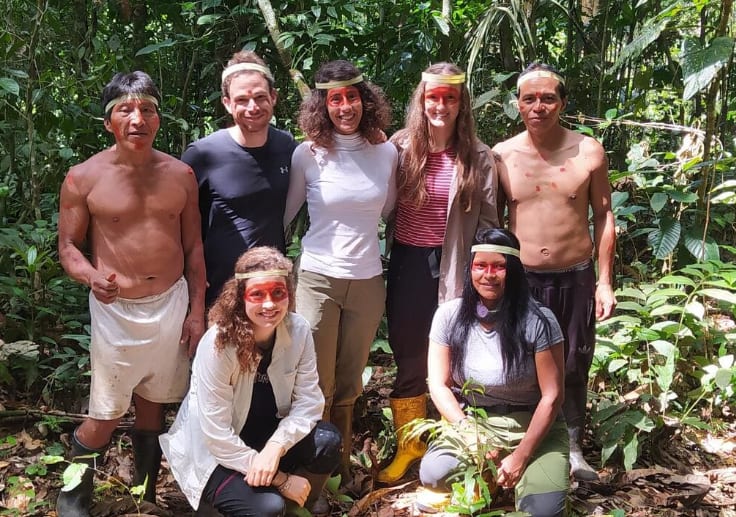
One of the most effective ways to experience authentic culture is by interacting with the locals. Engaging in conversation, participating in community events, or even staying in locally owned accommodations can provide insight into everyday life. These interactions offer perspectives on local customs, languages, and social norms, enriching your travel experience.
2. Participating in Traditional Festivals
Festivals are vibrant expressions of a culture’s history and beliefs. By attending these events, travelers can witness traditional dances, music, and rituals that have been passed down through generations. Whether it’s Holi in India, Carnival in Brazil, or the Cherry Blossom Festival in Japan, these celebrations offer a lively and immersive way to experience cultural diversity.
3. Exploring Local Cuisine
Food is a central aspect of culture, and trying local dishes is a delicious way to explore traditions. Each region has its unique flavors, techniques, and ingredients that are often tied to its history and geography. Participating in cooking classes or dining with local families can provide a deeper understanding of the cultural significance behind each dish.
4. Learning Traditional Crafts
Engaging in traditional crafts offers hands-on experience with a culture’s artistic heritage. Pottery, weaving, and painting are just a few examples of crafts that carry historical significance. Many communities offer workshops where travelers can learn these skills, creating a personal connection to the culture and gaining appreciation for the artisans’ craftsmanship.
5. Visiting Historical Sites
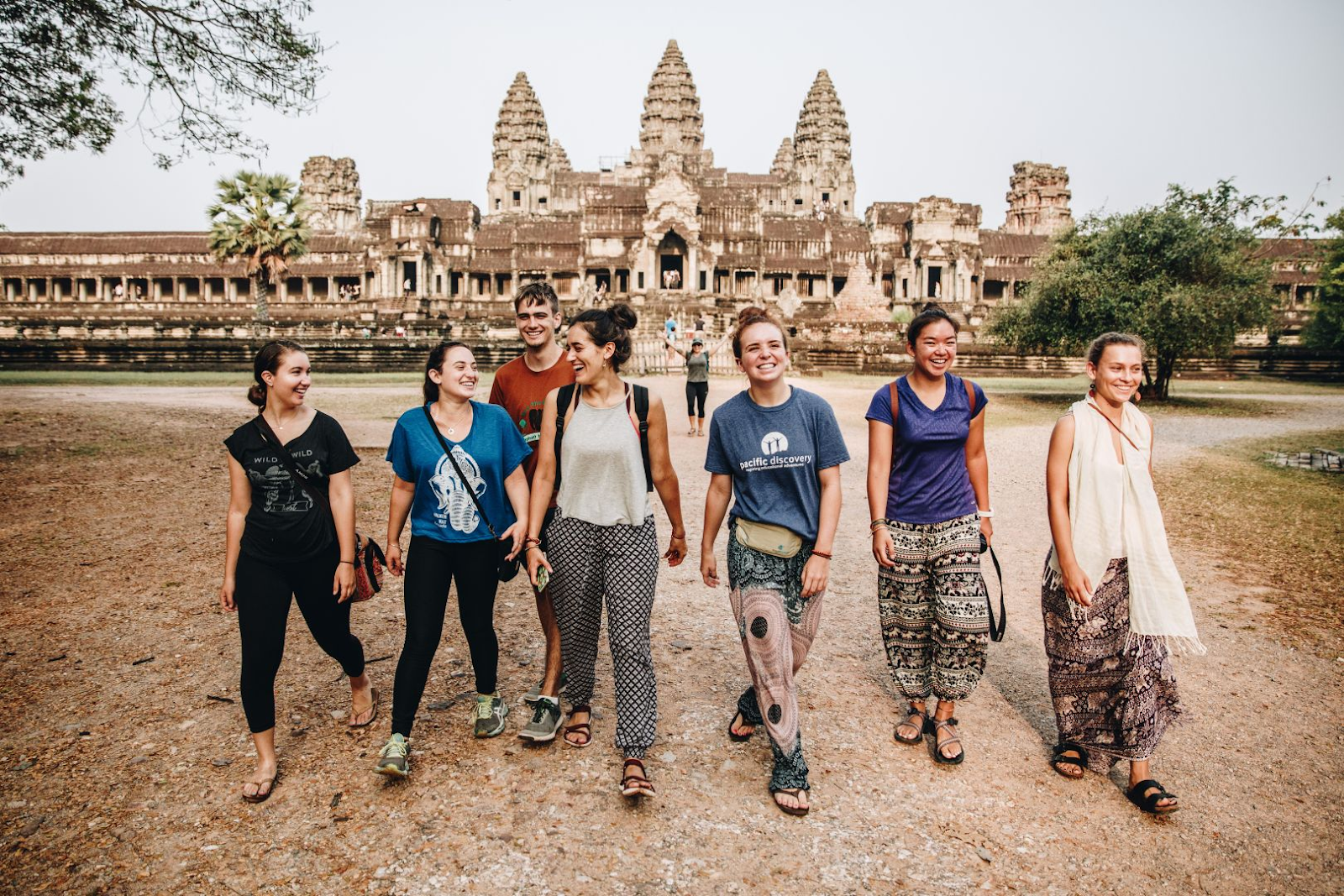
Historical sites serve as physical reminders of a culture’s past. By visiting these landmarks, travelers can learn about the events and people that shaped a community’s identity. Museums, ancient ruins, and historical districts provide context and depth to your understanding of local traditions and societal evolution.
6. Observing Daily Life
Simply observing daily life in a new place can provide insights into a community’s culture. From local markets bustling with activity to quiet tea houses where people gather, these everyday scenes reveal the realities of life that are often left out of guidebooks. Taking the time to observe can lead to a deeper appreciation for the social fabric that binds a community together.
7. Respecting Cultural Norms
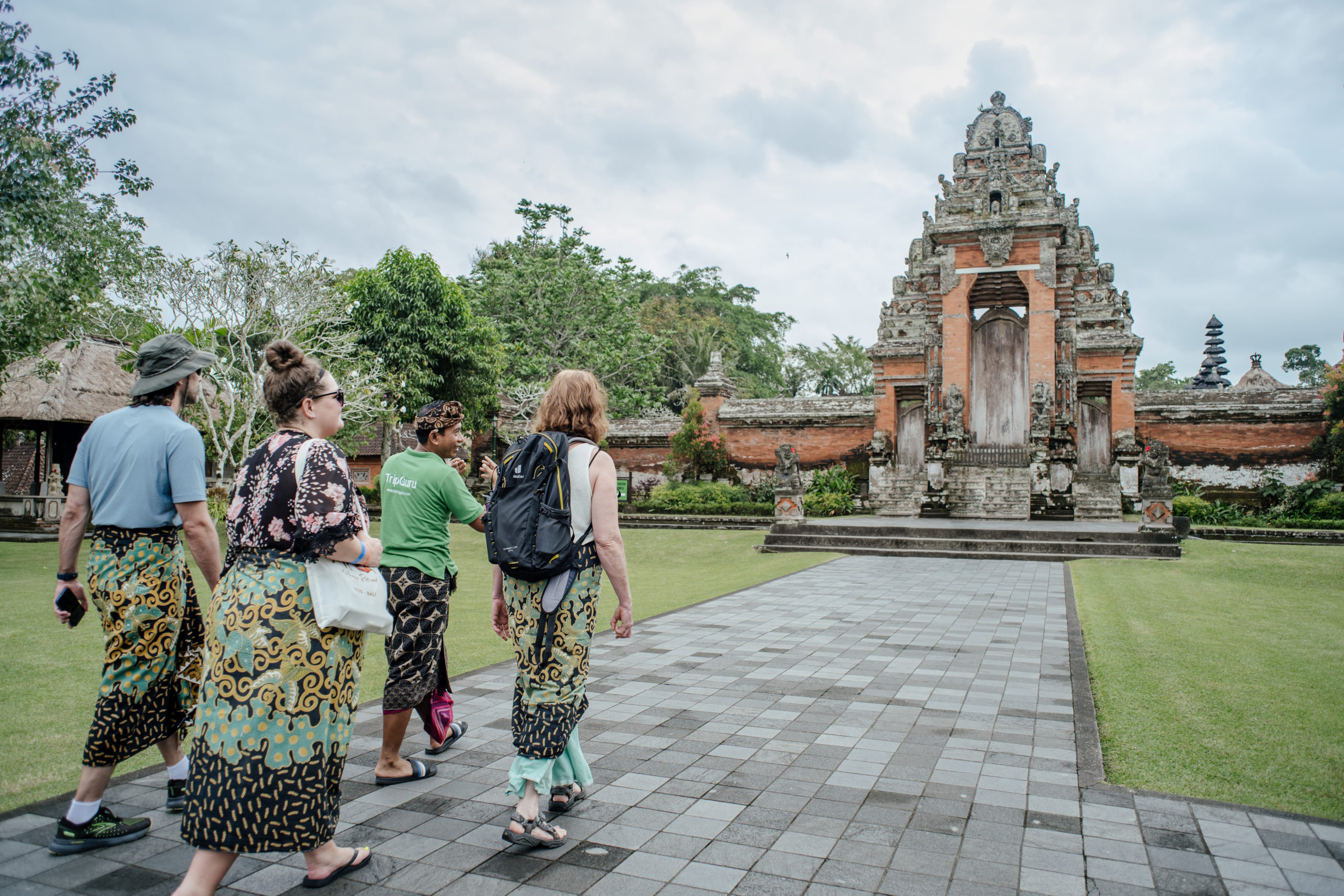
Understanding and respecting cultural norms is crucial for a meaningful travel experience. Learning about local etiquette, dress codes, and religious practices before visiting helps in minimizing cultural misunderstandings. Showing respect for these customs not only enriches your experience but also fosters positive interactions with the local population.
8. Supporting Sustainable Tourism
Sustainable tourism emphasizes respecting and preserving the cultural and environmental integrity of destinations. By choosing to support local businesses, travelers can contribute positively to the community’s economy and help maintain cultural traditions. This responsible approach to travel ensures that future generations can also experience and appreciate the authenticity of diverse cultures.
In conclusion, travel provides a unique opportunity to experience cultures authentically. By engaging with locals, participating in festivals, exploring cuisine, learning crafts, visiting historical sites, observing daily life, respecting cultural norms, and supporting sustainable tourism, travelers can gain a comprehensive understanding of the traditions that define a place. These experiences foster personal growth, broaden perspectives, and create meaningful connections across cultural boundaries, making travel a truly enriching endeavor.